%20crop.jpg)
Fundamentals
Build a clear understanding of drilling systems, well behavior, equipment, and the decisions that connect them.
- Drilling and well-control fundamentals
- Equipment and workflow orientation
- Self-paced and instructor-led learning
TRAINING & WORKFORCE READINESS
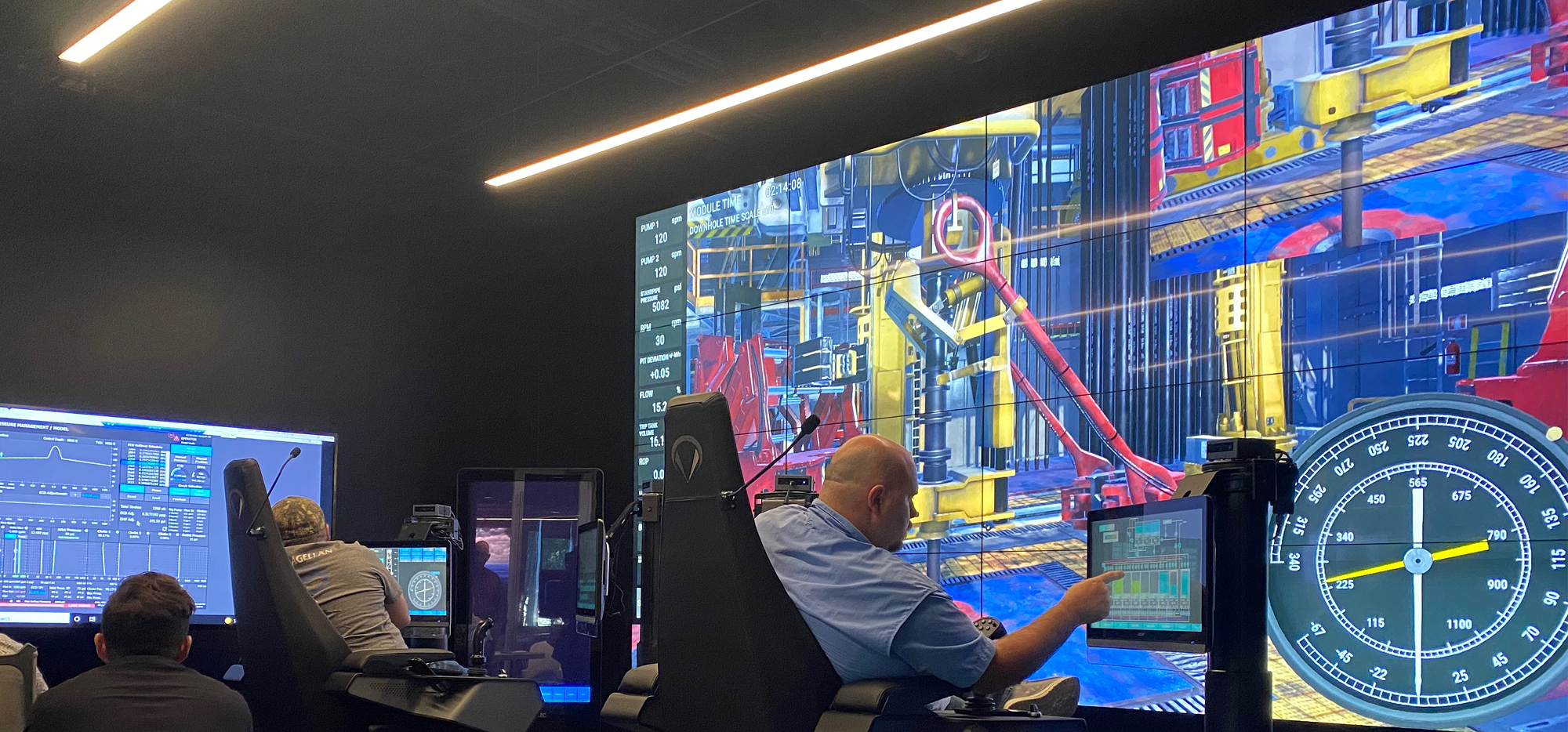
Practice drilling fundamentals, connections, tripping, kick detection and well-control response. Move from guided individual exercises to coordinated crew scenarios.
ONE PLATFORM · THREE TRAINING GOALS
Build the program around the competency required. Add hardware, controls, and team roles as the training objective grows.
Build a clear understanding of drilling systems, well behavior, equipment, and the decisions that connect them.
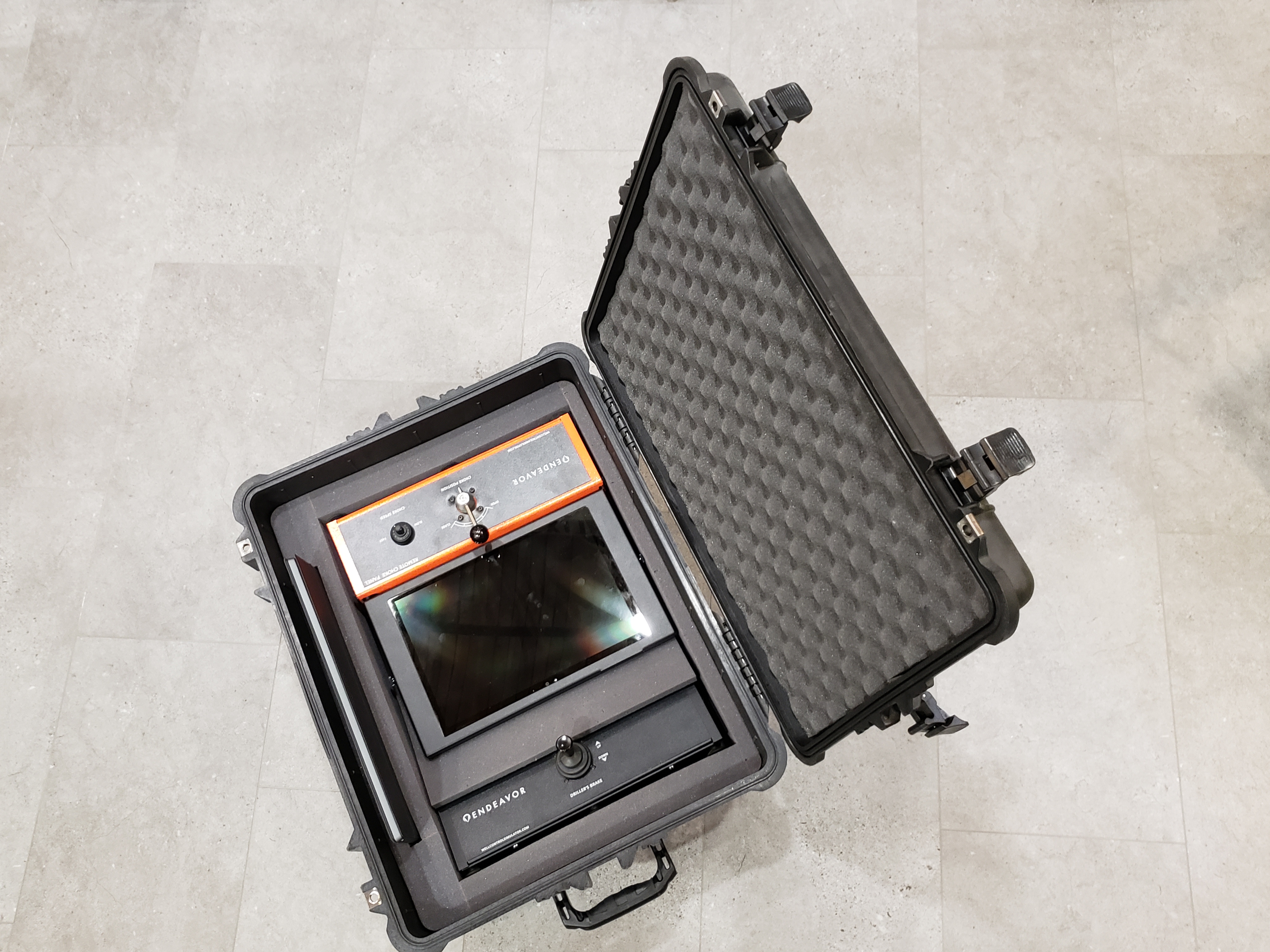
Practice crew handovers, recognize changing well conditions and coordinate shut-in and recovery decisions with clear roles.
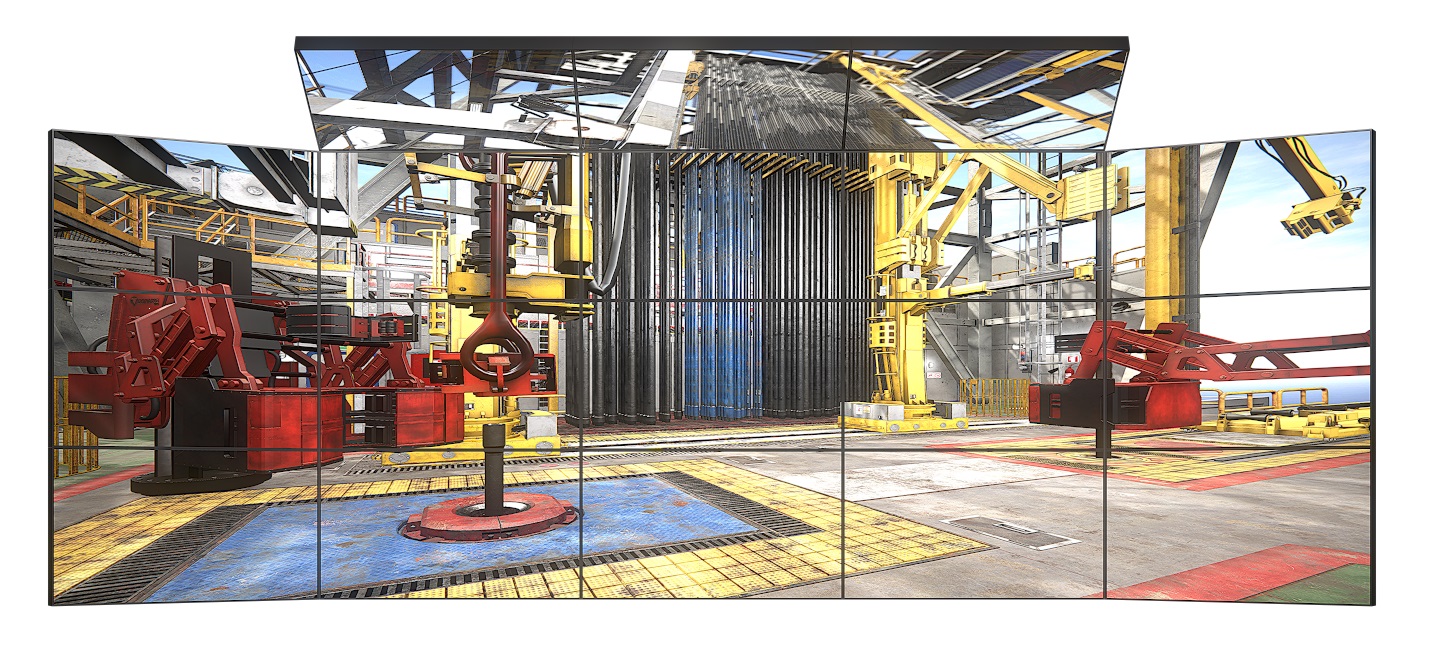
Observe the actions, communication and timing behind each result. Use consistent exercise conditions to guide assessment and the debrief.
START WITH THE LEARNER · SCALE TO THE TEAM
Choose online practice, workstation access, portable controls or immersive stations around learner numbers, instructor needs and crew roles.
Individual practice, instructor preparation, refresher modules, and distributed training access.
Explore WorkstationA portable classroom for crew exercises, short courses, field programs, and multi-location training.
Explore X3A permanent training center with networked stations, physical controls, and instructor oversight.
Explore X2A full-scale immersive environment for multi-role crew training, assessment, and high-consequence response.
Explore X1CORE TRAINING PROGRAMS
Most customers begin with core drilling or well-control competency, then add specialized workflows as the training requirement expands.
Drilling, directional drilling, MPD, casing, cementing, hydraulics, mechanics, and well planning.
Explore drilling simulations →Kick detection, shut-in, circulation, recovery, pressure windows, barriers, and CO₂ response.
Explore well control →Add wireline, coiled tubing, completions, fishing, stimulation, and other workflows when the training program requires them.
Explore intervention simulations →TRAINING THAT HOLDS UP UNDER PRESSURE
Introduce changing conditions during the exercise. Learners observe the response, explain their decisions and use the debrief to prepare for the next run.
Learners experience the physical consequences of each control input and decision.
Add influxes, losses, equipment failures, and changing conditions without resetting the exercise.
Multiple roles respond to the same well state, controls, timing, and operational sequence.
Review the decisions, sequence, communication, and recovery path in a structured debrief.
COMMON TRAINING PROGRAMS
Give new personnel a safe, repeatable environment to understand systems, workflows, and well response.
Practice recognition, shut-in, circulation, recovery, barriers, and pressure-management decisions.
Keep experienced crews ready for non-routine operations, changing equipment, and high-consequence events.
Train workflows around equipment, procedures, and controls while preserving the shared well response.
BUILD THE RIGHT TRAINING SYSTEM
We will map the simulator library, access model, deployment scale, and instructor requirements around the work your team needs to master.